Leg Pain, Swelling, or Restless Legs? Understand Your Options
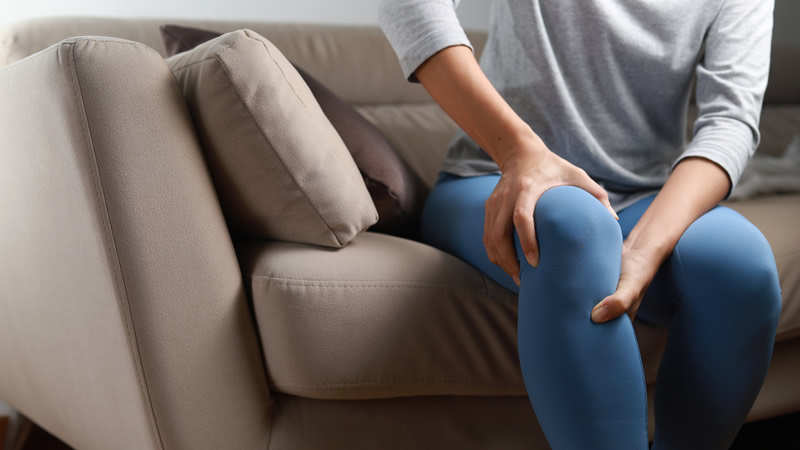
Leg pain and swelling can be frustrating because the cause is not always obvious.
Sometimes the problem starts with a joint. Sometimes it is related to the foot or ankle. Sometimes it is connected to the spine, nerves, soft tissue, circulation, or the veins. And sometimes more than one issue contributes at the same time.
That is why getting the right evaluation matters.
At Columbia Orthopaedic Group, we help patients across Mid-Missouri find a clear path forward for leg pain, swelling, injuries, and mobility concerns. With orthopaedic specialists, imaging, podiatry, pain management, and affiliated vein care connected through one broader care journey, Columbia Orthopaedic Group is built to help patients understand what is wrong and what to do next.
If you are looking for treatment for leg pain and swelling in Columbia, MO, the most important step is identifying the source of the problem.
Leg pain and swelling can have many causes
Leg pain does not always mean the same thing for every patient.
For one person, pain may come from arthritis in the hip, knee, or ankle. For another, it may be related to a sports injury, tendon problem, fracture, nerve irritation, or spine condition. Swelling can also have many causes, including injury, inflammation, post-surgical changes, circulation issues, or vein disease.
Some common symptoms patients notice include:
- Aching legs
- Swelling in the lower legs, ankles, or feet
- Heaviness or fatigue in the legs
- Pain that worsens after standing or walking
- Cramping
- Numbness or tingling
- Restless legs
- Visible varicose veins or spider veins
- Skin changes around the lower legs
- Difficulty staying active
Because symptoms can overlap, it is easy to assume the issue is "just aging," "just arthritis," or "just circulation." But guessing can delay the right care.
When leg swelling may be related to vein disease
One commonly overlooked cause of leg symptoms is vein disease. We asked vascular interventional specialist, Dr. Kavi Devulapalli, a few questions about vein disease.
Veins are responsible for moving blood from the legs back to the heart. Because that blood has to move upward against gravity, healthy valves in the veins are important. When those valves do not close properly, blood can flow backward and pool in the legs. This can cause pressure, swelling, aching, visible veins, and skin changes.
Dr. Kavi Devulapalli explained that varicose veins and spider veins are often only the visible part of a deeper vein issue. Patients may also experience leg heaviness, aching, tightness, fatigue, pain, swelling, restless legs, numbness, itching, cramping, or skin changes.
This matters because many patients do not realise their leg symptoms may be vein-related. They may seek care for knee or foot pain, post-activity swelling, or restless legs without realising that venous circulation could be part of the picture.
Why a comprehensive care setting helps
Leg pain and swelling can be difficult to sort out in a fragmented healthcare experience. You may see one provider for the knee, another for the foot, another for imaging, and another for vein symptoms. That can lead to delays, confusion, and more handoffs than necessary.
Columbia Orthopaedic Group's model is designed to reduce that friction.
Columbia Orthopaedic Group provides integrated orthopaedic care, with services that support patients from evaluation through imaging, treatment, and recovery. The organisation's positioning emphasises coordinated care under one roof, including orthopaedics, imaging, podiatry, pain management, urgent orthopaedic care, surgical services, and interventional radiology services.
That broader care pathway is especially helpful when symptoms could be coming from more than one source.
For example:
- Knee arthritis may cause pain and limited mobility.
- A foot or ankle issue may change how you walk.
- A spine condition may cause radiating pain, numbness, or tingling.
- Vein disease may contribute to swelling, heaviness, or restless legs.
- An injury may require imaging to confirm what is wrong.
When these services are connected, patients can move through the process with more clarity.
Do not ignore swelling after orthopaedic surgery
Swelling after orthopaedic surgery can happen for many reasons, but vein health may be one factor worth evaluating.
Dr. Devulapalli notes that patients who have had knee, hip, foot, or ankle surgeries may experience leg swelling, and in many cases, underlying vein disease may contribute. He also explained that detecting and treating vein disease before major orthopaedic surgery may help support recovery and reduce certain risks.
That does not mean every patient with swelling has vein disease. But it does reinforce why a complete evaluation matters, especially for patients preparing for or recovering from major orthopaedic procedures.
When should you seek care?
You should consider scheduling an evaluation if your leg pain or swelling is persistent, worsening, interfering with daily activities, or keeping you from moving comfortably.
You should also seek care if you have:
- Swelling that does not improve
- Pain after an injury
- Trouble walking or bearing weight
- Numbness, tingling, or weakness
- Restless legs that interfere with sleep
- Visible varicose veins with discomfort
- Skin discoloration or wounds around the lower leg
- Pain that limits work, sports, or normal activities
If you have sudden severe swelling, chest pain, shortness of breath, or symptoms that feel urgent, seek emergency medical care.
For non-emergency orthopaedic injuries, Columbia Orthopaedic Group's Orthopaedic Urgent Care Hub, OUCH, offers a rapid-access front door for injuries that should not wait. Due to on-site imaging, no facility fee, and integrated care, patients can get answers faster with fewer handoffs.
What treatment could look like
Treatment depends on the diagnosis.
If the issue is orthopaedic, your care plan may include imaging, medication, bracing, therapy, injections, activity modification, or surgery when appropriate.
If the problem is related to foot and ankle mechanics, podiatry care may be part of the plan.
If spine or nerve symptoms are involved, your provider may evaluate whether pain management, spine care, or additional imaging is needed.
If vein disease may be contributing, affiliated vein evaluation and treatment may be recommended. Conservative care may include compression, while some patients may benefit from minimally invasive vein procedures, such as ablation or sclerotherapy, depending on the diagnosis and severity. These treatments are outpatient, office-based options that can help faulty veins close and improve symptoms over time.
Find the right starting point for leg pain and swelling
Leg pain, swelling, and restless legs should not be brushed aside when they are affecting your life.
The right care starts with understanding the cause. Whether your symptoms are related to an injury, arthritis, your foot or ankle, your spine, or your veins, Columbia Orthopaedic Group can help you take the next step.
If you need treatment for leg pain and swelling in Columbia, MO, Columbia Orthopaedic Group offers a coordinated care experience designed to help you get answers, understand your options, and move forward with confidence.
Schedule an appointment today!